

Top 10 Factors Students Should Consider Before Taking Admission in a B.Tech College
This guide simplifies the decision-making process. Whether you are a student or a parent, here are the 10 key factors, explained clearly, that you should consider before choosing a B.Tech college.
1. Accreditation and Approvals
The first and most essential step is to check whether the college is:
- Approved by AICTE (All India Council for Technical Education)
- Affiliated to a recognized university
- Has departments/programs accredited by NBA (National Board of Accreditation)
Why this matters:
Accreditation ensures that the college follows proper curriculum standards, has qualified faculty, and maintains academic quality. NBA accreditation is especially meaningful because it evaluates the outcomes of education – how well students are prepared for industry and higher studies.
For example, BPPIMT is affiliated to MAKAUT (formerly WBUT), approved by AICTE, and has several NBA-accredited programs. This gives students confidence that the degree holds value in government, private, and higher education spaces.
2. Courses and Specializations Offered
Engineering is no longer limited to just four branches. New-age industry fields like Artificial Intelligence, Machine Learning, Cybersecurity, Data Science, and IoT are in high demand.
When evaluating a college, check:
- Which core branches are offered (e.g., CSE, IT, ECE, EEE)
- Whether modern specialization tracks exist under these branches
- Whether the curriculum is updated regularly to match industry requirements
Look for colleges where the syllabus is supplemented with hands-on labs, technical clubs, certifications, and skill workshops. Colleges like BPPIMT offer modern electives and skill-building courses aligned with industry expectations.
3. Faculty Quality and Teaching Methods
Faculty plays a crucial role in shaping the academic experience. A strong engineering college should have:
- Teachers with postgraduate/PhD qualifications
- Faculty with industry or research experience
- Continuous training programs for teachers
- Use of smart classrooms, labs, and project-based learning
During your college visit or online review, observe:
- How approachable the faculty is
- Whether they encourage projects, innovation, and competitions
Good faculty not only teaches — they mentor.
4. Placement Records and Industry Connect
A college’s placement record indicates how well students are prepared for the workplace. Look beyond just the “highest package” claims. Instead, evaluate:
- Consistency of placement over several years
- Average package (not just highest)
- Variety and reputation of recruiting companies
- Availability of internships and pre-placement offers (PPOs)
Colleges like BPPIMT have tie-ups with well-known IT, core engineering, and tech companies. Students also receive training in communication, aptitude, group discussions, and interview techniques — which significantly improves placement confidence.
5. Infrastructure and Labs
Engineering is practical, not just theoretical. So the college must have:
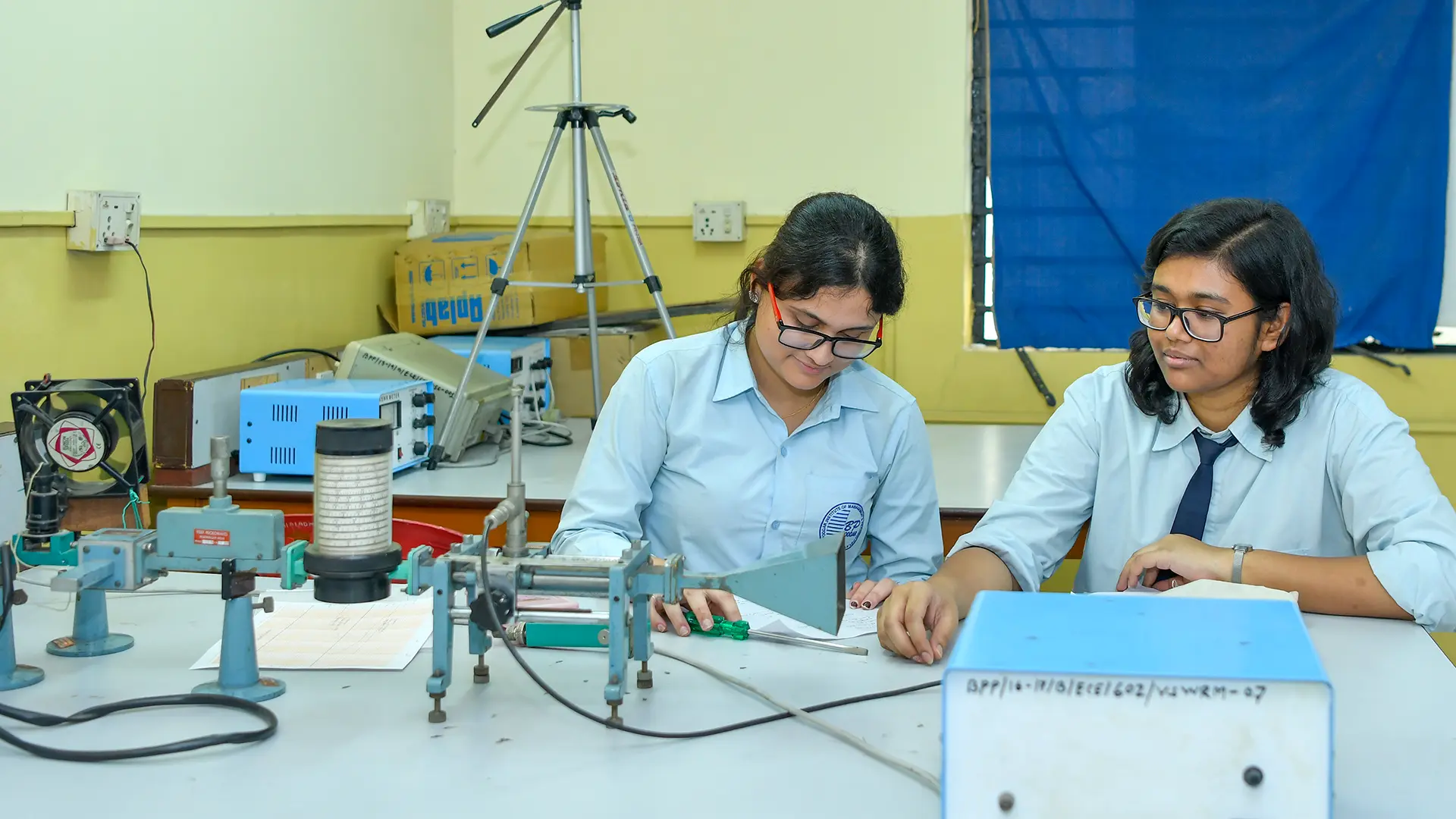
- Well-equipped laboratories for each department
- Computer labs with licensed, updated software
- Dedicated spaces for research, innovation, and projects
- A resource-rich library and digital learning tools
Modern labs and accessible equipment enable students to build real-world projects, which employers value.
6. Campus Environment and Student Life
While academics are important, personal growth also happens outside classrooms. Look for:
- Active student clubs (technical, cultural, sports, entrepreneurship)
- College festivals, hackathons, and competitions
- Supportive and inclusive campus culture
- Clean and safe environment
A balanced campus life helps students develop teamwork, leadership, and communication skills — equally important in the professional world.
Colleges like BPPIMT maintain a student-friendly campus culture with frequent fests, inter-college events, sports meets, and technical club activities.
7. Location and Accessibility
The location of the college affects:
- Daily commute time
- Safety
- Access to industrial hubs
- Networking opportunities
Urban or well-connected campuses offer better exposure, industry guest lectures, internships, and professional sessions.
For example, BPPIMT is conveniently located in Kolkata with easy access by public and private transport, making daily travel smooth for students across the city.
8. Industry Training and Internship Support
Engineering education must connect with real-world application. Check whether the college:
- Has MoUs with companies for internships
- Conducts industrial visits and workshops
- Provides certification courses in trending skills
- Encourages student participation in contests like Smart India Hackathon, coding competitions, etc.
Internships often lead to job offers, so this aspect should not be overlooked.
9. Fees, Scholarships, and Financial Planning
While comparing fee structures, consider:
- Tuition fees
- Hostel and transportation fees (if applicable)
- Scholarships available based on WBJEE rank or merit
- Loan assistance or financial support programs
A good engineering college maintains transparent fees and offers clear scholarship eligibility.
10. Alumni Network and Reviews
Alumni success reflects the strength of the academic and placement ecosystem.
Before deciding:
- Check alumni LinkedIn profiles
- Look at what companies they work in
- Read student reviews on Google or college forums
- Talk to current students if possible
A strong alumni network helps with internships, referrals, and career mentorship.
Conclusion
Choosing the right B.Tech college should be thoughtful, research-based, and aligned with your interests and career goals. Consider the academic quality, placement ecosystem, campus environment, and long-term learning opportunities more than just the brand name.
A college like BPPIMT, which focuses on academic excellence, practical training, industry exposure, active campus culture, and consistent placements, offers a supportive environment for students to grow into confident engineers.
If you are exploring engineering colleges in Kolkata, it is worth taking the time to visit campuses, talk to students, and evaluate what aligns best with your goals.